In the fast-moving world of online income opportunities, certain platforms keep popping up in searches and conversations among content creators, affiliate marketers, and social media sharers. One name that has drawn increasing attention is adswynk com. People type it into search bars after seeing shortened links, hearing about side-hustle methods, or spotting mentions in forums discussing ways to turn everyday traffic into a bit of extra cash. At its core, this service belongs to the category of monetized URL shorteners. Users paste a long web address, receive a compact version, and share that version across channels. When someone clicks, a short advertisement appears before the visitor reaches the intended destination. The person who created the link earns a share of the advertising revenue generated during that brief pause.
This model is not brand new. Earlier services built entire ecosystems around the same idea of inserting ads between a click and a destination page. What keeps platforms like this relevant is simplicity. No need to own a high-traffic website, meet strict approval thresholds from major ad networks, or install complex tracking codes. Anyone already sharing links on social media, messaging apps, forums, or email newsletters can plug the tool into their existing routine. The appeal sits in that low barrier. Yet low barriers also bring questions about earnings consistency, traffic quality requirements, payment reliability, and overall safety. Exploring those angles thoroughly helps anyone decide whether the approach fits their goals and risk tolerance.
The digital landscape rewards people who turn ordinary actions into income streams. Sharing a useful resource, promoting a product, or directing followers to a piece of content already happens daily for millions. Adding a monetization layer on top of that activity feels natural once the mechanics become clear. Understanding the flow from registration through link creation, sharing, ad display, and eventual payout forms the foundation for realistic expectations. Geography plays a major role in what each thousand clicks might generate. Traffic from higher-paying regions tends to command stronger rates than traffic from areas with lower advertiser demand. Quality of the audience and the relevance of the destination page also influence whether visitors complete the redirect and whether the platform counts the interaction as valid.
Many users approach such tools as supplemental rather than primary income sources. That mindset often proves wiser. Building a sustainable online presence usually involves multiple channels and methods. Link monetization can sit alongside blogging, affiliate marketing, digital product sales, or freelance services. The combination reduces reliance on any single platform and creates more stability. Still, even as a side activity, the details matter. Knowing how to generate consistent clicks without alienating an audience, how to track performance, and how to withdraw earnings without friction all contribute to a smoother experience.
How the Core Process of Link Shortening and Ad Display Operates
The basic workflow begins with account creation. Most platforms in this category ask for an email address and a quick confirmation step. Once inside the dashboard, the user finds a simple form for pasting any long URL. Hitting the shorten button generates a new compact link that can be copied and shared immediately. Some services offer optional custom aliases so the short link looks a bit more branded or memorable. Others provide bulk tools for users who handle many URLs at once. Campaign labeling or basic analytics often appear as well, letting creators see which channels drive the most activity.
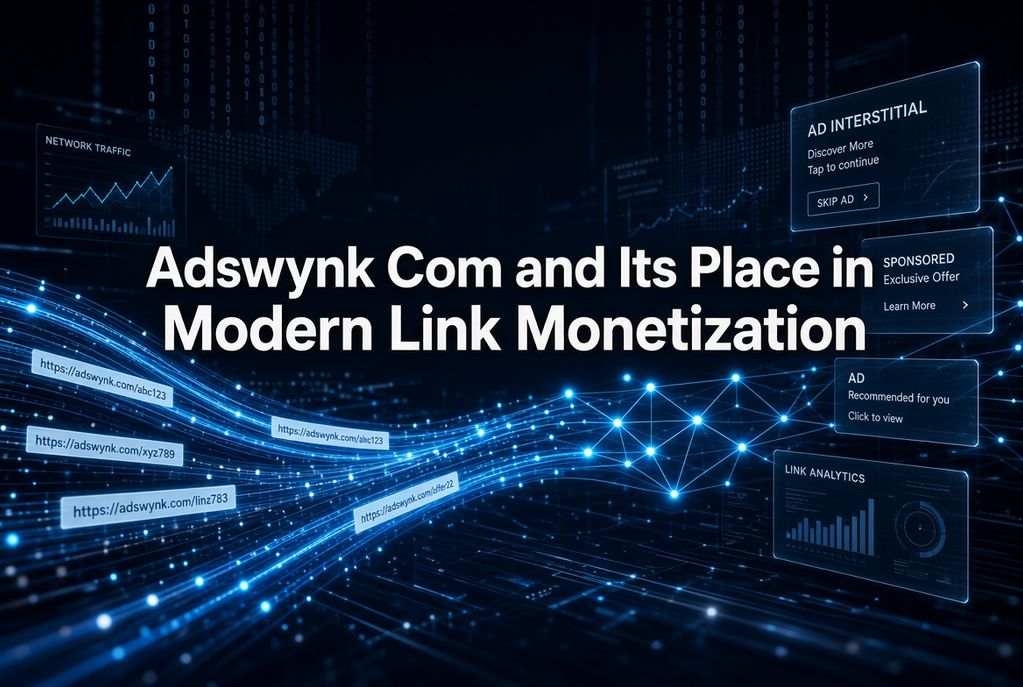
When a visitor clicks the shortened version, the browser lands on an intermediate page hosting an advertisement. This interstitial usually lasts several seconds before a skip button becomes active or the redirect happens automatically. During that window the advertiser pays the platform for the impression or engagement. The platform retains a portion and credits the remaining amount to the link creator’s account. The exact calculation may follow a cost-per-mille model, where earnings accumulate per thousand valid views, or a cost-per-click model focused on interactions with the ad itself. Either way, the five-to-ten-second pause represents the monetization moment.
This setup differs from ordinary URL shorteners that simply make long addresses more manageable for social media character limits or aesthetic reasons. Those free tools generate no revenue for the person sharing the link. Monetized versions deliberately insert the advertising step because that step creates the economic value. Advertisers gain exposure to audiences that have already demonstrated interest by clicking a relevant link. Creators gain a way to earn from traffic they would have shared anyway. The platform sits in the middle facilitating the exchange and handling the technical redirect.
Visitor experience remains a critical consideration. If the intermediate ad feels too aggressive, lasts too long, or appears unrelated to the destination, people may abandon the process or grow wary of future links from the same source. Smart users therefore choose destinations that already hold genuine value for their audience. A helpful tutorial, an interesting article, a free resource, or a product page that matches the follower’s interests tends to produce better completion rates than pure promotional spam. Over time, maintaining audience trust protects the long-term usefulness of the channel even while generating short-term earnings.
Exploring Earnings Potential and the Role of Traffic Geography
Earnings on platforms of this type rarely reach life-changing levels for most participants. Reported figures often fall into the range of modest supplemental income. A few dozen dollars per month appears common for smaller accounts driving mixed traffic. Higher volumes or stronger geographic mixes can push totals higher, yet the numbers still usually sit below full-time income thresholds. The primary variable remains the source of the clicks. Advertisers pay more for audiences in regions with stronger purchasing power and higher competition for attention.
Traffic originating from the United States, United Kingdom, Canada, and similar markets generally commands the strongest rates. European traffic often follows at a somewhat lower level. Global mixed traffic and traffic from South Asia or other developing regions typically generate the smallest per-thousand figures. These differences reflect advertiser budgets and expected conversion values rather than any judgment on the visitors themselves. Creators who can attract higher-value geographic audiences naturally see better returns for the same volume of clicks.
Volume still matters. Even strong per-thousand rates produce limited absolute income without thousands of valid interactions each month. Building that volume requires consistent sharing across channels where the audience already pays attention. Social media posts, community groups, email newsletters, forum signatures, and video descriptions all serve as distribution points. The most effective approach often involves weaving the shortened links into content that people already want to consume rather than dropping them as isolated promotional messages.
Seasonality and advertiser demand also influence results. Certain times of year see increased advertising budgets, which can lift rates temporarily. Conversely, quieter periods may reduce available payouts. Tracking personal performance over several months provides a clearer picture than any single week of data. Most platforms supply basic dashboards showing clicks, estimated earnings, and sometimes country breakdowns. Reviewing those numbers regularly helps identify which sharing methods work best and which destinations convert more reliably.
Safety Considerations and Evaluating Platform Reliability
Any service that handles redirects, advertisements, and user accounts carries some level of inherent risk. Evaluating that risk involves looking at technical signals, transparency of ownership, payment history reports, and overall online reputation. Valid SSL encryption represents a basic positive indicator because it protects data transmitted between the user and the site. Domain age of several years offers another modest positive, suggesting the platform has operated beyond the typical lifespan of pure fly-by-night operations. Absence of widespread malware warnings from security scanners further supports a functional baseline.
Transparency gaps appear more frequently. Limited public information about the company behind the service, privacy-protected WHOIS records, and sparse independent payment proofs all contribute to medium-risk classifications from automated trust tools. A trust score around the sixty percent range commonly signals that the platform is probably legitimate yet still carries noticeable uncertainty. New or relatively low-visibility services often receive similar assessments simply because fewer independent data points exist for evaluation.
Practical safety practices help manage the remaining uncertainty. Starting with small traffic volumes allows testing of the payout process without committing large audiences. Avoiding the sharing of highly sensitive personal or financial information beyond what registration requires reduces exposure. Monitoring withdrawal requests carefully and confirming receipt of funds before scaling activity provides real-world evidence specific to the individual account. Diversifying income methods so that no single platform becomes critical further protects against unexpected changes or downtime.
Audience safety also deserves attention. Interstitial advertisements vary in quality and aggressiveness. Some may contain tracking elements or lead to pages that feel intrusive. Creators who value long-term relationships with followers often prefer destinations and platforms that minimize friction and maintain a reasonable user experience. Communicating openly when appropriate and selecting higher-quality traffic sources both support that goal.
Comparing Link Monetization Approaches with Other Online Income Methods
Link monetization sits alongside many other ways people generate revenue online. Traditional display advertising on a personal website requires ownership of the site, sufficient traffic volume to meet network thresholds, and ongoing content production. Affiliate marketing involves promoting specific products and earning commissions on resulting sales, which depends on conversion rather than simple clicks. Digital product creation and sales demand upfront work to produce the product but can scale with less ongoing traffic dependence once established. Freelance services exchange time and skill for direct client payments.
Each method carries distinct advantages and limitations. Link monetization stands out for its minimal setup and lack of website ownership requirement. That accessibility makes it attractive to people already active on social platforms or messaging apps. At the same time, earnings remain tightly tied to continuous traffic generation and geographic quality. A sudden drop in sharing activity immediately affects income. In contrast, a well-built affiliate site or digital product can continue generating sales with less daily effort after the initial growth phase.
Many successful online earners combine approaches. They might use monetized links for quick cash from social traffic while simultaneously building longer-term assets such as an email list, a content site, or a product catalog. The combination creates resilience. When one channel slows, others can compensate. Understanding the strengths of each method allows better allocation of time and energy according to personal goals and available resources.
The history of monetized shorteners offers additional perspective. Earlier platforms demonstrated both the potential and the challenges of the model. Some grew large user bases and paid reliably for years. Others faced advertiser quality issues, payment delays, or eventual shutdowns. The pattern suggests that treating any single service as permanent infrastructure carries risk. Regular evaluation of performance, alternatives, and personal results remains wise.
Practical Strategies for Generating Consistent Traffic to Shortened Links
Traffic quality and volume form the engine of any link-based earnings. Without clicks, no advertisements display and no revenue accumulates. Building a steady flow begins with understanding where an existing audience already gathers. Social media platforms, niche forums, messaging groups, email lists, and content communities all represent potential distribution points. The most effective shares usually provide clear value first and the link second. A useful tip, an interesting observation, or a solution to a common problem naturally leads people toward the linked resource.
Consistency matters more than occasional viral spikes. Posting regularly across chosen channels trains an audience to expect and engage with the content. Varying the presentation prevents fatigue. Sometimes a direct recommendation works; other times a story, question, or list format performs better. Tracking which styles generate higher click-through rates informs future efforts without requiring advanced analytics tools.
Audience growth expands the potential click pool over time. Collaborating with complementary creators, participating helpfully in communities, and producing original content that people want to share all contribute to larger reach. Focusing on genuine interest alignment tends to produce more engaged traffic than pure promotional blasting. Engaged visitors are more likely to complete the redirect process and less likely to view the intermediate ad as pure interruption.
Geographic targeting, when possible, can improve average earnings. If a creator’s content naturally attracts audiences from higher-paying regions, emphasizing those channels makes sense. Conversely, broad global audiences still generate income, just at lower average rates. Understanding the composition of one’s traffic helps set realistic monthly expectations and guides decisions about where to invest additional promotion effort.
Key Features Commonly Found in Monetized URL Services
Most platforms in this category emphasize simplicity in their core interface. A clean dashboard, straightforward link creation form, and basic statistics display form the foundation. Additional features often include the ability to create custom short aliases, organize links into campaigns or folders, and view performance broken down by date or source. Some services add referral programs that reward users for inviting others, creating a secondary earnings path based on the activity of referred accounts.
Analytics depth varies. Basic click counts and estimated earnings appear nearly universally. More advanced options may show country-level data, device types, or referrer information. Access to these details helps creators refine their sharing strategy. Knowing that certain social platforms drive more completed redirects than others, for example, allows smarter allocation of posting effort.
Payment methods and thresholds also differ across services. Common options include popular digital wallets, bank transfers in supported regions, or other online payment processors. Minimum withdrawal amounts tend to sit relatively low to accommodate smaller earners, though processing times and any associated fees should be checked in advance. Reliable platforms process verified requests within a stated timeframe once the threshold is met and any identity verification, if required, is complete.
Advertiser-side tools sometimes exist as well. Businesses seeking to run interstitial or display campaigns can deposit funds and target specific types of traffic. This dual-sided marketplace structure supplies the revenue that ultimately flows to link creators. The health of the advertiser base influences available rates and the variety of ads shown to visitors.
Building Long-Term Habits Around Online Monetization Tools
Sustainable results rarely come from treating any single platform as a quick-money solution. Developing habits of consistent sharing, careful tracking, and periodic review produces steadier outcomes. Setting aside regular time for content distribution, monitoring dashboard metrics weekly, and adjusting tactics based on real data all support gradual improvement. Avoiding over-reliance on one service protects against sudden changes in terms, rates, or availability.
Audience relationship management remains equally important. People who feel respected and receive genuine value tend to remain engaged longer. Overusing monetized links or directing traffic to low-quality destinations can erode trust and reduce future click rates. Balancing promotional activity with helpful, non-monetized shares helps maintain goodwill.
Continuous learning about broader digital marketing practices strengthens results across all methods. Understanding basic SEO, social media algorithms, email list building, and content creation improves the overall traffic ecosystem that feeds any link-based tool. The more skilled a creator becomes at attracting and retaining attention, the more leverage every monetization channel provides.
Risk management habits complete the picture. Keeping records of earnings and withdrawals, using unique passwords, enabling available security features, and staying informed about platform updates all reduce potential friction. When something feels off, pausing activity and investigating before continuing protects both time and any accumulated balances.
Realistic Expectations Versus Common Promotional Claims
Online discussions about income opportunities sometimes feature exaggerated claims. Screenshots of high earnings, promises of passive riches, or suggestions that minimal effort produces substantial results appear regularly. Comparing those claims against typical reported outcomes for similar platforms helps maintain perspective. Most participants experience modest returns that require ongoing effort to sustain. A handful of high-volume creators may achieve stronger figures, yet those results usually rest on large existing audiences or sophisticated traffic acquisition methods.
Treating promotional material as marketing rather than guaranteed outcomes encourages healthier decision-making. Testing a platform with limited traffic first provides personal data that marketing copy cannot. Observing actual payout speed, support responsiveness, and dashboard accuracy over several cycles builds more reliable knowledge than any external review. Combining that personal experience with broader industry patterns produces balanced expectations.
The opportunity cost of time also deserves consideration. Hours spent generating and sharing links could instead go toward building longer-term assets such as a content library, an email list, or a skill set that commands higher rates. Evaluating whether the marginal income from link monetization justifies the time investment depends on individual circumstances, existing traffic levels, and alternative opportunities available.
Integrating Link Monetization into a Broader Content Strategy
Content creators who already produce articles, videos, podcasts, or social posts sit in a strong position to experiment with monetized links. Existing distribution channels provide ready-made places to insert the shortened URLs. The key lies in matching the destination to the audience’s interests so the intermediate ad feels like a minor delay rather than a major interruption. A blog post that already ranks or receives social shares can carry a monetized version of related resource links. A video description can include a shortened link to a complementary free tool or further reading.
Email newsletters offer another high-intent environment. Subscribers who open messages have already expressed interest. Including carefully chosen monetized links alongside valuable content can generate earnings while still serving the reader. Transparency about the presence of affiliate or monetized elements, when appropriate, further supports trust.
Community participation works similarly. Helpful contributions in forums or groups naturally lead to opportunities to share relevant resources. Over time, a reputation for useful recommendations increases the likelihood that people will click and complete the redirect process. Building that reputation requires patience and genuine engagement rather than pure promotional activity.
Cross-promotion across platforms multiplies reach. A social post can drive traffic to a blog that contains further monetized links. A video can mention a newsletter that later includes additional resources. Each piece of content reinforces the others and expands the total click volume available for monetization.
Addressing Common Challenges Users Encounter
Payment delays rank among the more frequent frustrations reported across similar services. Processing times vary, and verification steps sometimes extend the wait. Maintaining records of requests and following up politely through available support channels usually resolves legitimate issues. Keeping withdrawal amounts above minimum thresholds and ensuring account details remain accurate reduces avoidable friction.
Ad quality concerns also surface. Some interstitial advertisements may feel overly aggressive or lead to pages that raise privacy or security questions. Creators have limited control over the specific ads shown, yet they can influence overall experience by choosing destinations that attract higher-quality traffic. Platforms that maintain better advertiser standards tend to produce smoother visitor experiences, which in turn supports better completion rates and long-term audience goodwill.
Traffic drops present another challenge. Algorithm changes on social platforms, seasonal interest shifts, or simple audience fatigue can reduce click volumes. Diversifying distribution channels and continually testing new content angles help mitigate sudden declines. Focusing on owned channels such as email lists provides more stability than exclusive reliance on rented attention from social algorithms.
Technical issues with redirects or dashboard accuracy occasionally appear. Most platforms provide support contact methods for reporting problems. Documenting the issue clearly and providing relevant details speeds resolution. In parallel, having alternative sharing methods ready ensures that temporary platform problems do not completely halt activity.
The Broader Context of Digital Advertising and Publisher Opportunities
Digital advertising continues to evolve rapidly. Privacy regulations, changing browser behaviors, and shifts in user expectations all influence how ads are delivered and measured. Interstitial formats remain one of many available options. Native ads, video placements, sponsored content, and more contextual approaches compete for advertiser budgets. Platforms that adapt to these changes while maintaining acceptable user experiences stand better chances of long-term viability.
Publishers and creators benefit from understanding the larger ecosystem. Knowing why certain traffic commands higher rates, how advertisers evaluate quality, and what factors influence ad fill rates provides context for personal results. That knowledge also informs decisions about which monetization methods to prioritize at different stages of growth.
Smaller and newer platforms often fill niches that larger networks overlook. Lower entry barriers, simpler interfaces, and willingness to work with modest traffic volumes attract users who cannot yet meet the requirements of major players. As those users grow, some migrate to higher-paying options while others continue using the simpler tools for specific use cases. The coexistence of different platform types serves the diverse needs of the creator economy.
Technological improvements continue to shape the space. Better targeting, faster load times, improved mobile experiences, and more sophisticated fraud detection all influence the viability of redirect-based models. Platforms that invest in these areas can deliver better outcomes for both advertisers and publishers. Observing which services demonstrate ongoing development helps identify more durable options.
Quotes from Industry Perspectives on Link-Based Earnings
One experienced digital marketer noted, “Turning existing social traffic into a small income stream requires almost no extra work once the links are in place, but the real skill lies in keeping the audience happy while the ads run.” This observation captures the central tension of the model: balancing monetization with user experience.
Another creator shared, “I treat every monetized shortener as temporary infrastructure. I test it, extract value while it works, and stay ready to move traffic elsewhere if conditions change.” The practical mindset reflected here prioritizes adaptability over loyalty to any single service.
A long-time affiliate marketer observed, “Geography still rules the economics of click-based earnings. Until that changes, focusing on higher-value audiences will always outperform pure volume strategies.” The geographic reality remains one of the most consistent factors across platforms in this category.
Sample Comparison of Monetization Approaches
The following table summarizes key differences between common online income methods to provide clearer context for evaluating link monetization options.
| Approach | Setup Difficulty | Website Required | Primary Earnings Driver | Typical Income Character |
|---|---|---|---|---|
| Monetized URL Shortening | Low | No | Click volume and geography | Modest supplemental |
| Traditional Display Ads | Medium to High | Yes | Page views and ad quality | Scales with traffic |
| Affiliate Marketing | Medium | Optional | Sales conversions | Variable, performance-based |
| Digital Product Sales | High initially | Optional | Product value and marketing | Higher potential with scale |
| Freelance Services | Medium | No | Time and skill | Direct hourly or project rates |
This overview highlights why some people choose the low-barrier entry of shortened-link tools while others invest in methods with different scaling characteristics. No single approach suits every situation. Matching the method to available resources, existing assets, and personal preferences produces better long-term results.
Conclusion
Exploring platforms such as adswynk com reveals both the opportunities and the limitations inherent in monetized link shortening. The model offers a straightforward path for turning existing sharing activity into modest income without the need for website ownership or complex technical setups. Geography, traffic volume, audience quality, and consistent effort all influence the size of that income. Safety and reliability signals point toward a functional service that still carries the transparency and track-record limitations common among smaller players in the space.
Success with any tool of this type depends less on the platform itself and more on the habits and strategy surrounding its use. Creators who prioritize audience value, track results carefully, diversify their methods, and maintain realistic expectations tend to extract the most benefit while protecting against downside risks. Link monetization works best as a complementary activity rather than a complete income plan. When integrated thoughtfully into a broader content and traffic strategy, it can contribute meaningfully to overall online earnings.
The digital economy continues to reward those who experiment thoughtfully, measure outcomes honestly, and adapt as conditions evolve. Whether a particular service remains useful over the long term depends on ongoing performance, advertiser demand, and the platform’s own development. Approaching the opportunity with curiosity, caution, and a commitment to continuous improvement positions users to capture available value while building more durable assets alongside it. In the end, the most reliable path combines practical tools with disciplined habits and a clear-eyed view of what each method can realistically deliver.
Frequently Asked Questions
What exactly is adswynk com and how does the service function for everyday users?
Adswynk com operates primarily as a monetized URL shortening platform. Users register, paste long web addresses into a simple form, and receive compact links ready for sharing. When those links receive clicks, visitors encounter a brief advertisement before reaching the original destination. The platform collects payment from advertisers for those ad views and shares a portion with the link creator. The process requires no website ownership and works across social media, messaging apps, forums, and other sharing channels. Earnings accumulate based on the volume and geographic quality of the completed redirects.
How much money can someone realistically expect to earn using adswynk com?
Earnings vary widely according to traffic volume, geographic source, and consistency of sharing activity. Traffic from higher-paying regions such as the United States, United Kingdom, and Canada generally produces stronger per-thousand rates than mixed global or lower-demand regional traffic. Most users report modest monthly totals that serve as supplemental rather than primary income. Higher volumes combined with stronger geographic mixes can increase the figures, yet the majority of participants see results measured in tens rather than hundreds or thousands of dollars without substantial existing audiences. Personal testing with controlled traffic provides the most accurate individual projection.
Is adswynk com considered a safe and legitimate platform?
Available signals place the service in a medium-risk category according to common automated trust evaluations. Positive indicators include valid SSL encryption and the absence of widespread malware reports. Cautionary factors include limited public ownership details and relatively sparse independent payment verification from large numbers of users. The platform appears functional and follows a known business model, yet the limited transparency typical of newer or smaller services means users should approach with realistic caution. Starting small, monitoring withdrawals carefully, and avoiding over-dependence on any single tool represent sensible practices.
Do users need their own website or large existing traffic to get started with adswynk com?
No website is required. The core appeal of this style of platform lies in its accessibility to people who already share links through social media, messaging applications, email, or community forums. Existing audiences of any size can generate activity. Larger and more engaged audiences naturally produce higher absolute earnings, yet even modest sharing routines can yield measurable results over time. The absence of traffic minimums or domain approval processes lowers the entry barrier compared with many traditional advertising networks.
What are the most important tips for maximizing results and minimizing risks when using services like adswynk com?
Focus first on providing genuine value so that audiences remain willing to click and complete redirects. Diversify sharing channels rather than relying on a single platform. Track personal performance data regularly and adjust tactics based on what the numbers show. Start with limited traffic volumes to verify payout processes before scaling. Maintain realistic expectations about income levels and treat the tool as one component of a broader strategy. Protect account security, keep records of activity, and stay ready to shift methods if conditions change. Balancing monetization with audience trust supports longer-term sustainability.